Terroir al Límit has long stood at the forefront of the movement redefining Priorat. Under the direction of Dominik Huber, […]
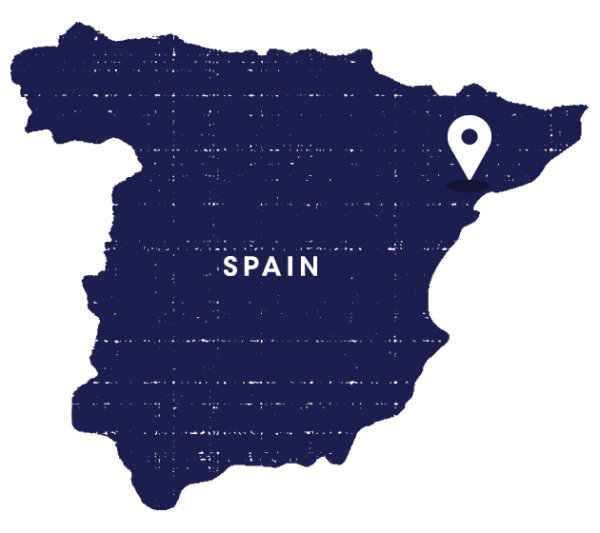
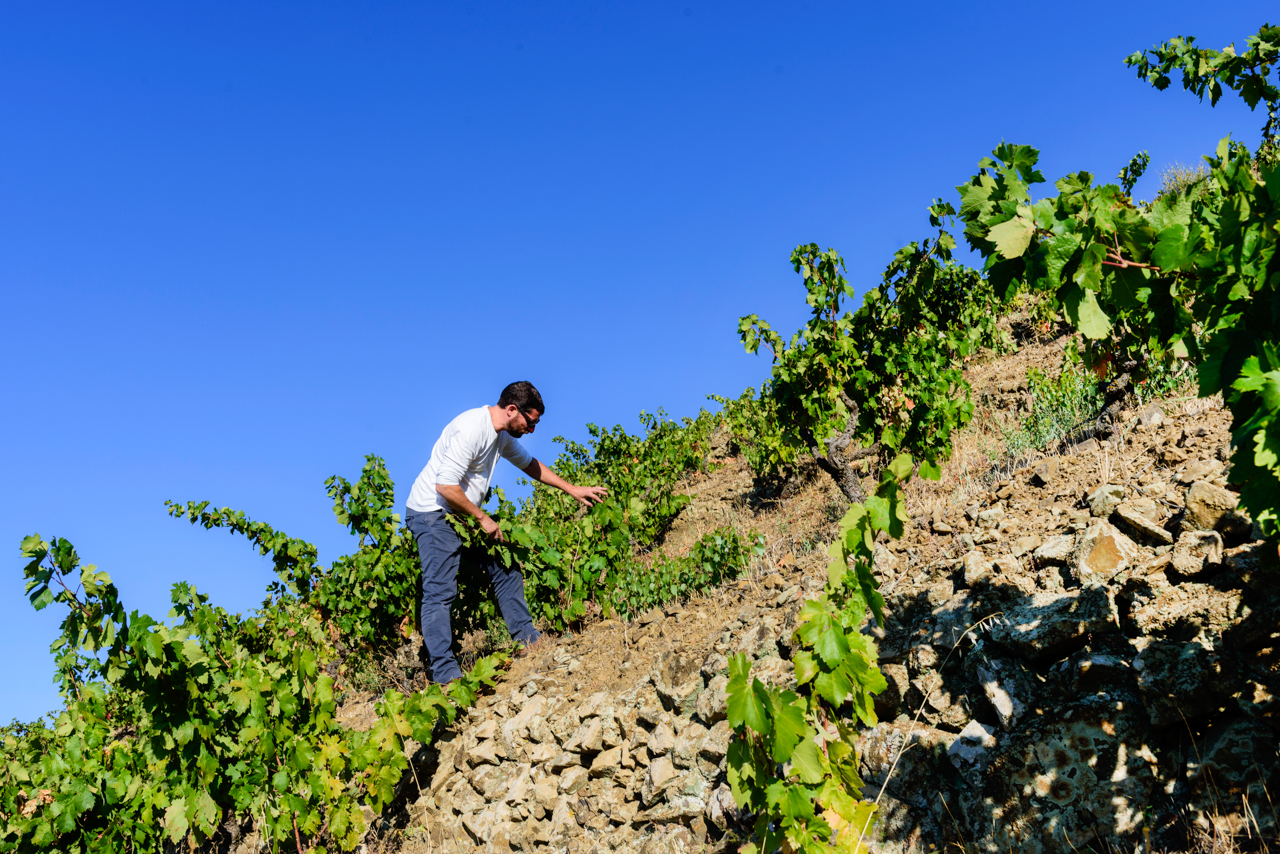
Keep ReadingTerroir al Límit has long stood at the forefront of the movement redefining Priorat. Under the direction of Dominik Huber, the estate has shifted the region’s style from dense, oak-driven power toward a model built on finesse, transparency, and an almost ascetic respect for terroir. This evolution is most vividly captured in the winery’s principal bottlings, from the regional Terroir Històric wines to the village and single-vineyard expressions that have become benchmarks of Mediterranean fine wine.
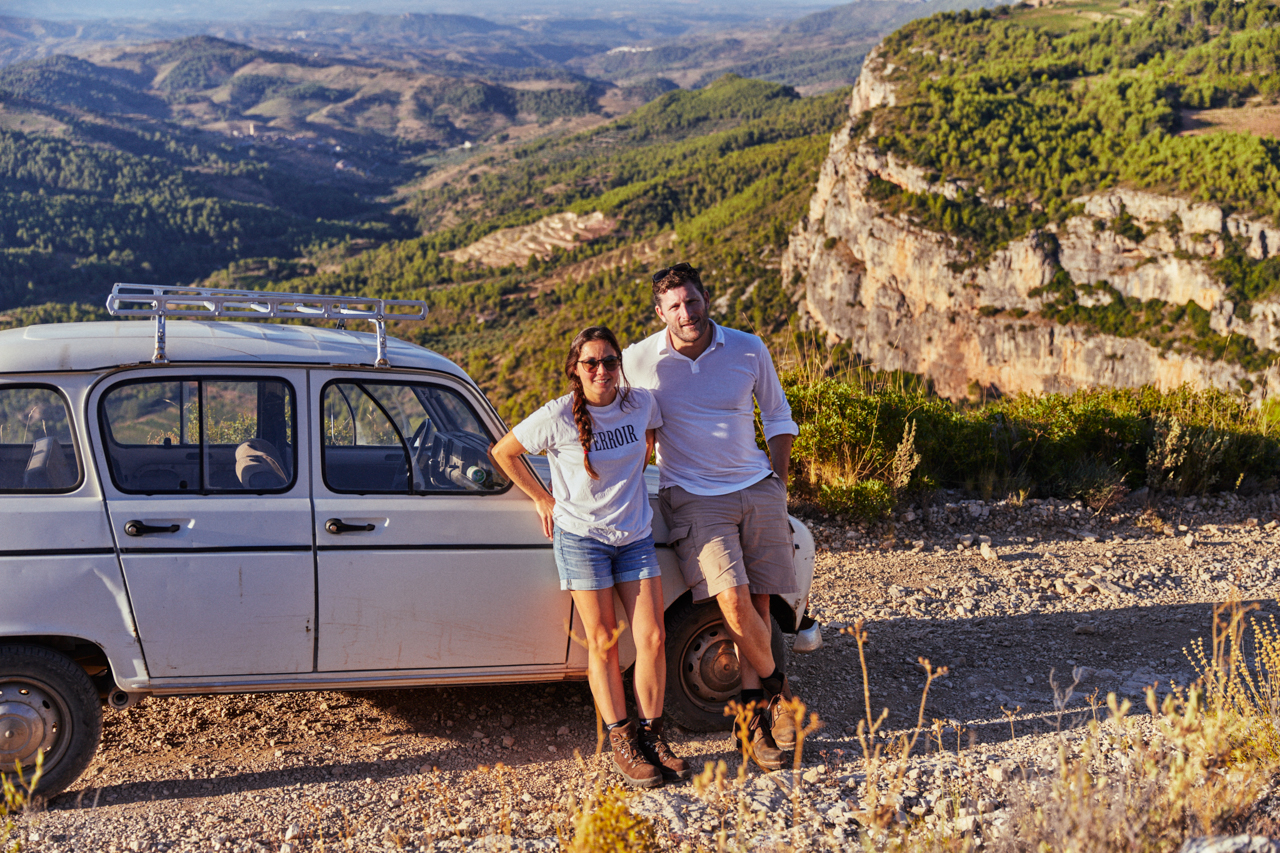
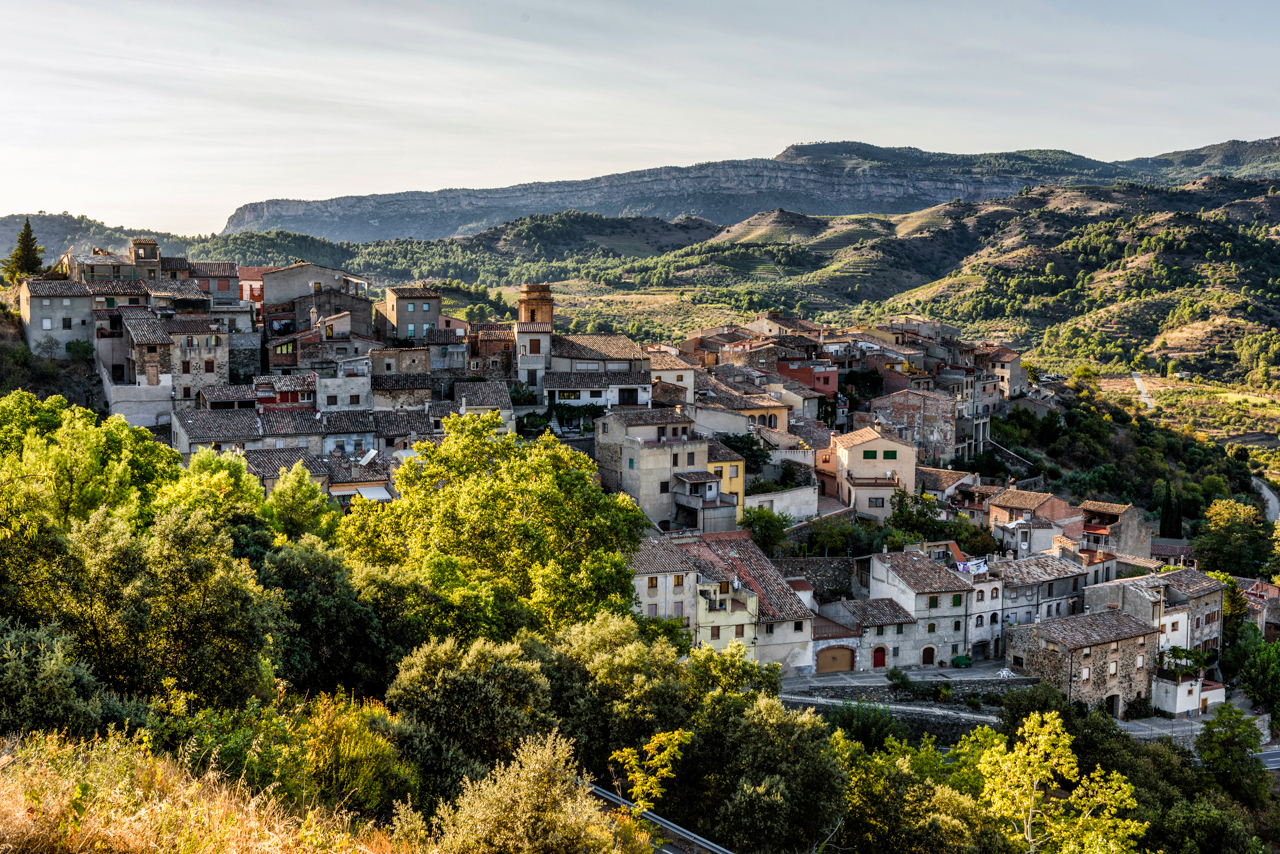
Terroir al Limit began with the meeting of Eben Sadie and Dominik Huber at Mas Martinet in 2000. Eben was a promising and highly-regarded young enologist from South Africa. Dominik, a native German, was a wine enthusiast with a background in business administration but with interests in the culinary arts. Despite their diverse backgrounds, they became friends, sharing a love for the wild landscape and the untapped potential of the Priorat. With the help of the Pérez family of Mas Martinet, Eben and Dominik purchased some fruit and leased a little corner in the cellar of Cims de Porrera, where they vinified their first vintage of Dits del Terra in 2001. After two years at Cims de Porrera, they moved into a tiny cellar in Torroja del Priorat. The move coincided with the first vintage of Arbossar in 2003. In the following years, they released additional cuvées: Torroja (now Terra de Cuques Negre) in 2005, Manyes and Tosses in 2006, Pedra de Guix in 2008, and Terra de Cuques Blanc in 2011.
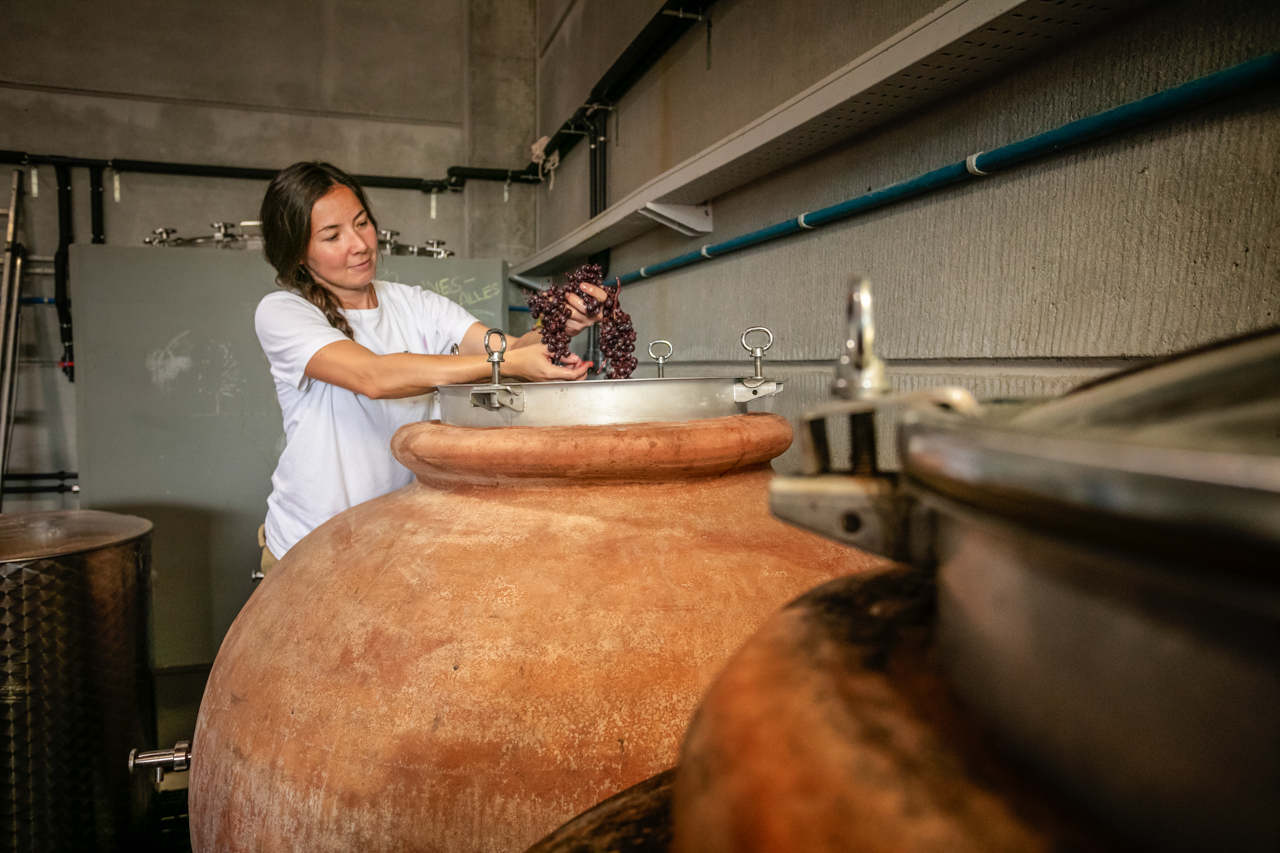
In 2007, Dominik began working year-round at Terroir al Límit as the demands of increased production and farming responsibilities in South Africa took up most of Eben Sadie’s attention. With this change, Dominik began to focus on the vineyards they had purchased, seeking to understand each site in greater detail while implementing organic viticulture and a system of biodynamics adapted for the unique climate of the Priorat. Through these efforts, Dominik began to see that the expression of these sites was obscured at higher levels of potential alcohol, extrative macerations, and oxidative aging in small oak vessels. This realization led to more intensive farming to yield riper grapes at lower alcohol levels, softening the maceration, utilizing full clusters, and moving from small barrels to foudres and eventually concrete vats. Long before others talked about infusion over extraction in Mediterranean winemaking, Domink had already pioneered this philosophy with his wines in the Priorat. The results are elegant and refined expressions of a rugged and warm climate. In 2011, Eben parted ways with Terroir al Limit, knowing that under Dominik Huber’s leadership, their shared vision for the Priorat they envisioned in 2000 was in the right hands.
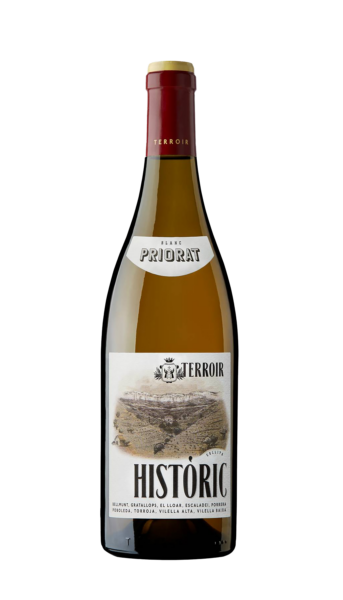
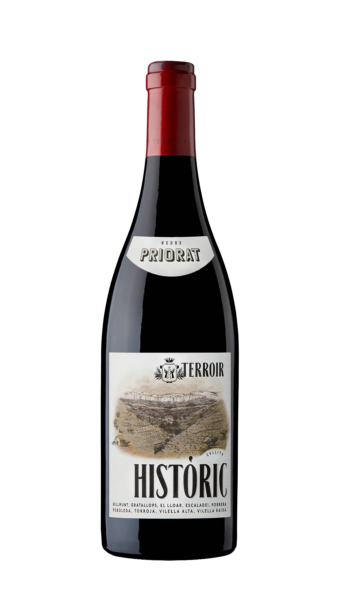
At the foundation of the range lies with Històric Blanc & Negre, created as a tribute to the traditional field blends once typical of Priorat. Both wines come from various sites, soils, exposures, and growers from across the Priorat. Històric Blanc, made from Garnatxa Blanca and Macabeu, is fermented and aged in concrete to preserve purity and tension. It is bright and linear, carrying citrus and white-peach notes supported by gentle herbal tones and a distinct saline finish. Its red counterpart, Històric Negre, blends Garnatxa and Carinyena in a co-fermented expression fermented entirely with whole clusters. This wine offers lifted red fruit, soft tannins, and an immediacy that makes it both approachable and unmistakably Priorat, yet without the heaviness once associated with the region.
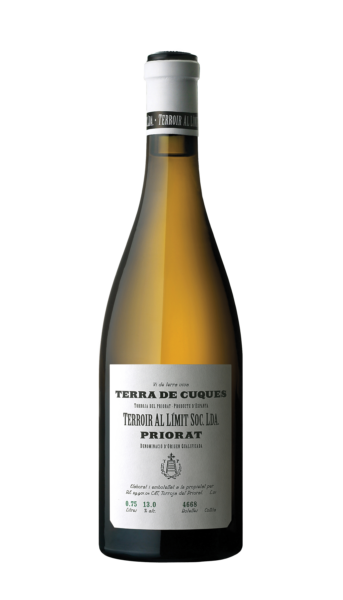
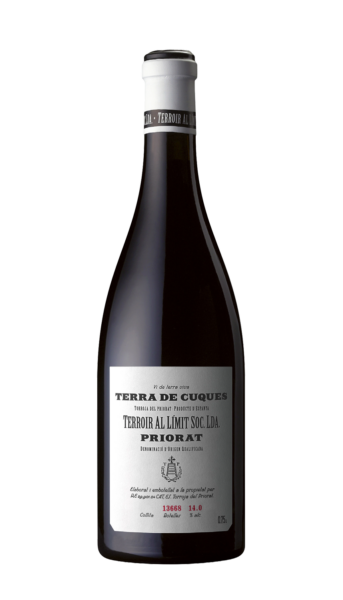
As one moves deeper into the portfolio, the Terra de Cuques wines present greater complexity while maintaining the estate’s philosophy of gentleness and infusion. Terra de Cuques Blanc, often based on Pedro Ximénez from clay soils in El Molar, and Muscat d’Alexandria from slate soils in Torroja, combines the aromatic charm of Muscat with the structural depth of PX. The result is an expressive yet savoury white, textured but clean, with chamomile and stone-fruit notes anchored by an unmistakably Mediterranean salinity. Terra de Cuques Negre, made from Carinyena with a portion of Garnatxa grown in the slate soils of Torroja del Priorat, offers darker fruit and firmer structure than Històric Negre. Although still guided by whole-cluster fermentation and neutral élevage, it embodies a more serious, mineral-driven side of the estate, though it was not produced in the challenging 2023 vintage.
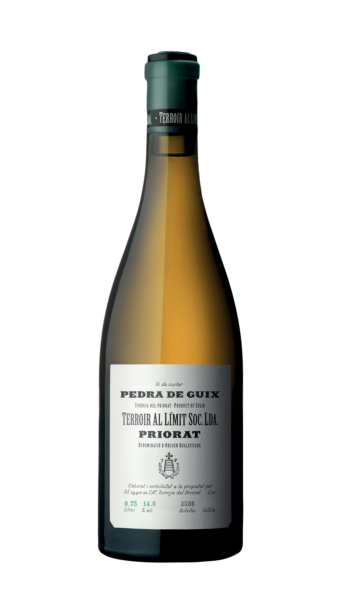
The estate’s flagship white, Pedra de Guix, represents the pinnacle of Terroir al Límit’s work with Mediterranean varieties and diverse soils. Sourced from three old vineyards rooted respectively in Pedro Ximénez grown in the clay-gypsum soils of El Lloar, Macabeu in ancient alluvial soils in Torroja, and Garnacha Blanca in the slate soils of Poboleda, it brings together three grape varieties, from three distinctive terroirs and three villages in a wine of remarkable depth and tension. Its aromatics evoke dried herbs, citrus oil, and almond skin, while its texture is dense yet perfectly balanced by a saline linearity. Pedra de Guix is celebrated as one of Spain’s greatest oxidative-style white wines, placing it alongside the finest whites of Europe.
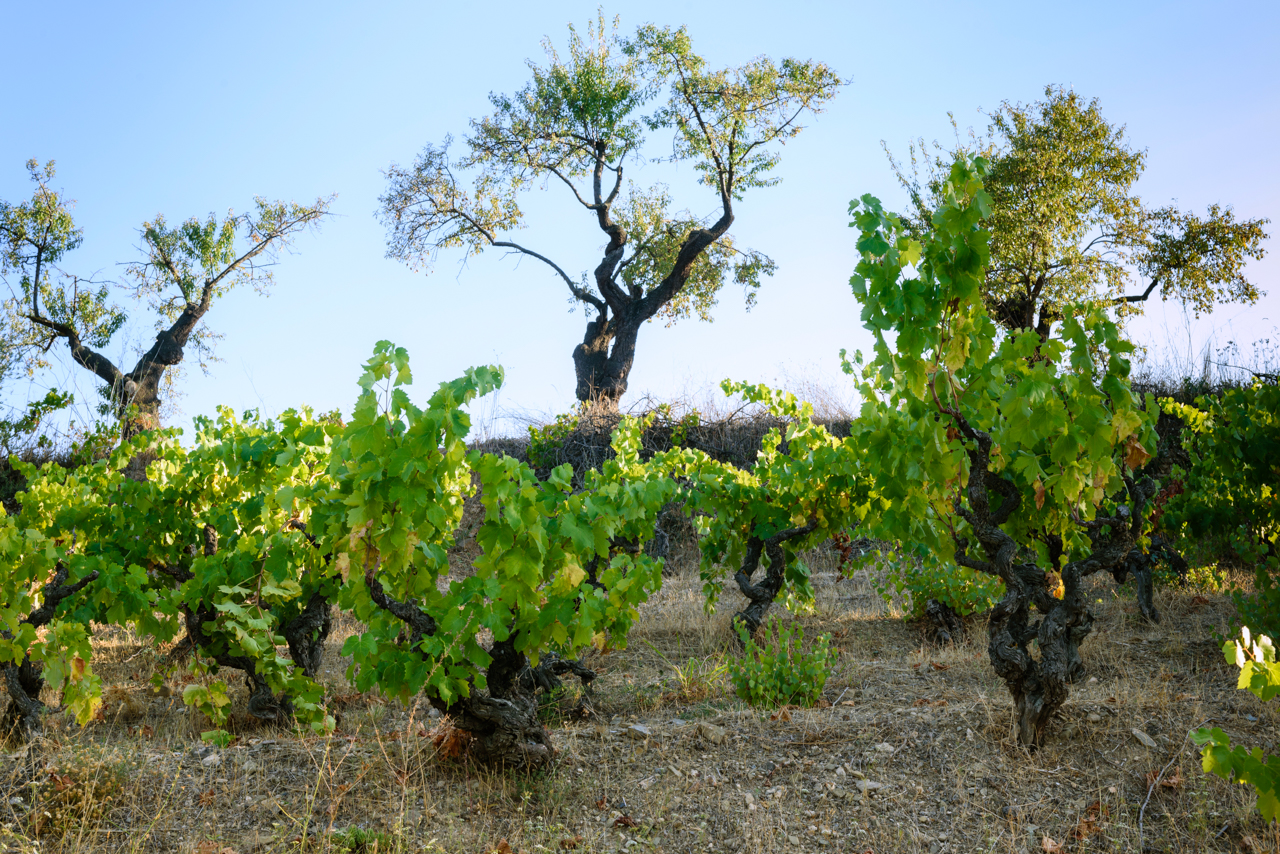
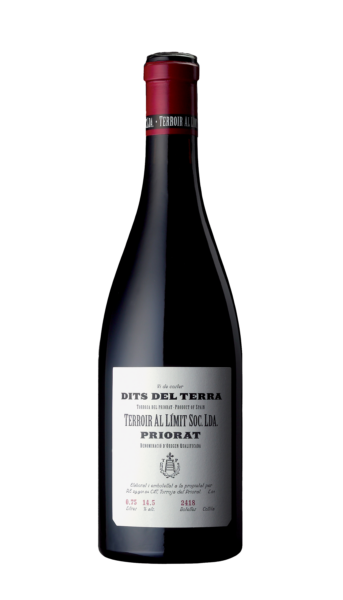
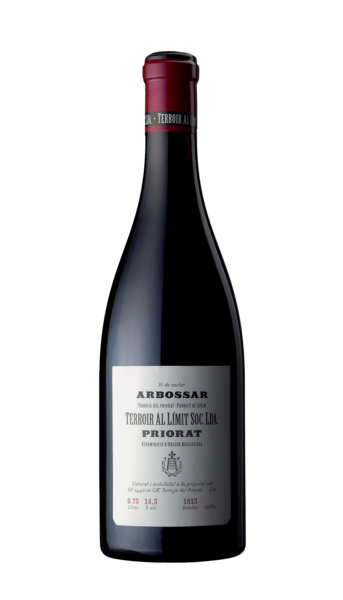
Among the reds, Arbossar is the purest expression of old-vine Carinyena in the estate’s holdings. Grown on a steep, north-facing slope of fractured llicorella soils in Torroja, the wine is defined by its austerity and verticality. Notes of black cherry, iodine, and crushed rock dominate a palate shaped by firm yet refined tannins. It is a wine that demands time and rewards patience, embodying the essence of Priorat’s schist-based vineyards. Dits del Terra, sourced from warmer, south-facing parcels, also showcases 100% Carinyena but in a more generous and approachable style. Its fruit tends toward blue and black tones, with hints of black tea and spice. The tannins are rounder, giving the wine a broader palate while maintaining the precision that defines the estate.
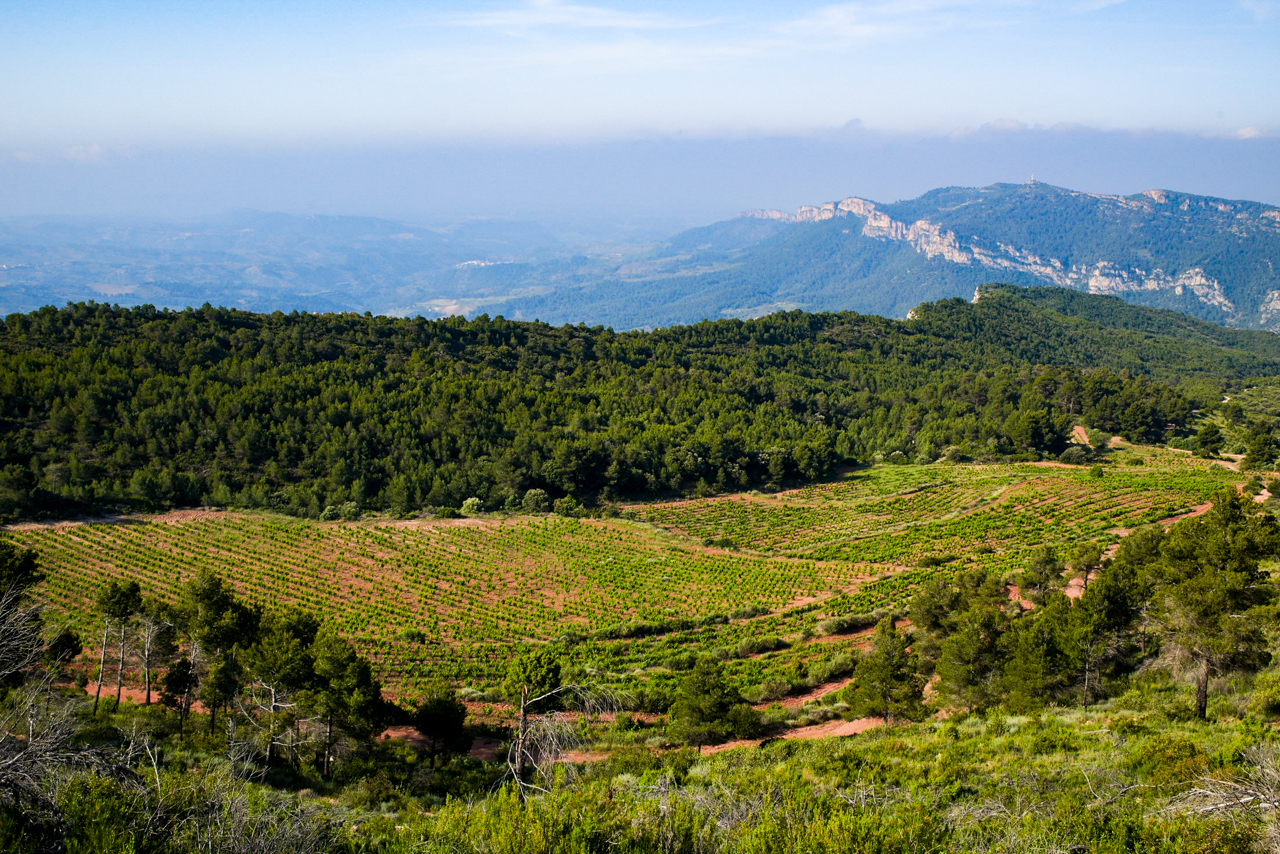
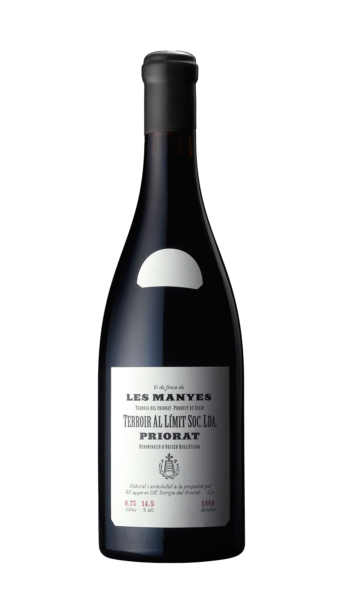
At the top of the hierarchy stand the two Grand Cru reds: Les Manyes and Les Tosses. Les Manyes, made entirely from Garnatxa Peluda, comes from the high-altitude vineyards of Mas Deu, marked by their red clay and gypsum soils perched at the edge of the mountainous Montsant plateau — an exceptionally rare terroir in Priorat. The wine is almost ethereal, often compared to fine Burgundy for its lightness and aromatic lift. It combines wild strawberry, rose petal, and pomegranate with a palpable sense of purity and inner tension. Its texture is silky and weightless, making it one of the most elegant expressions of Garnacha in Spain.
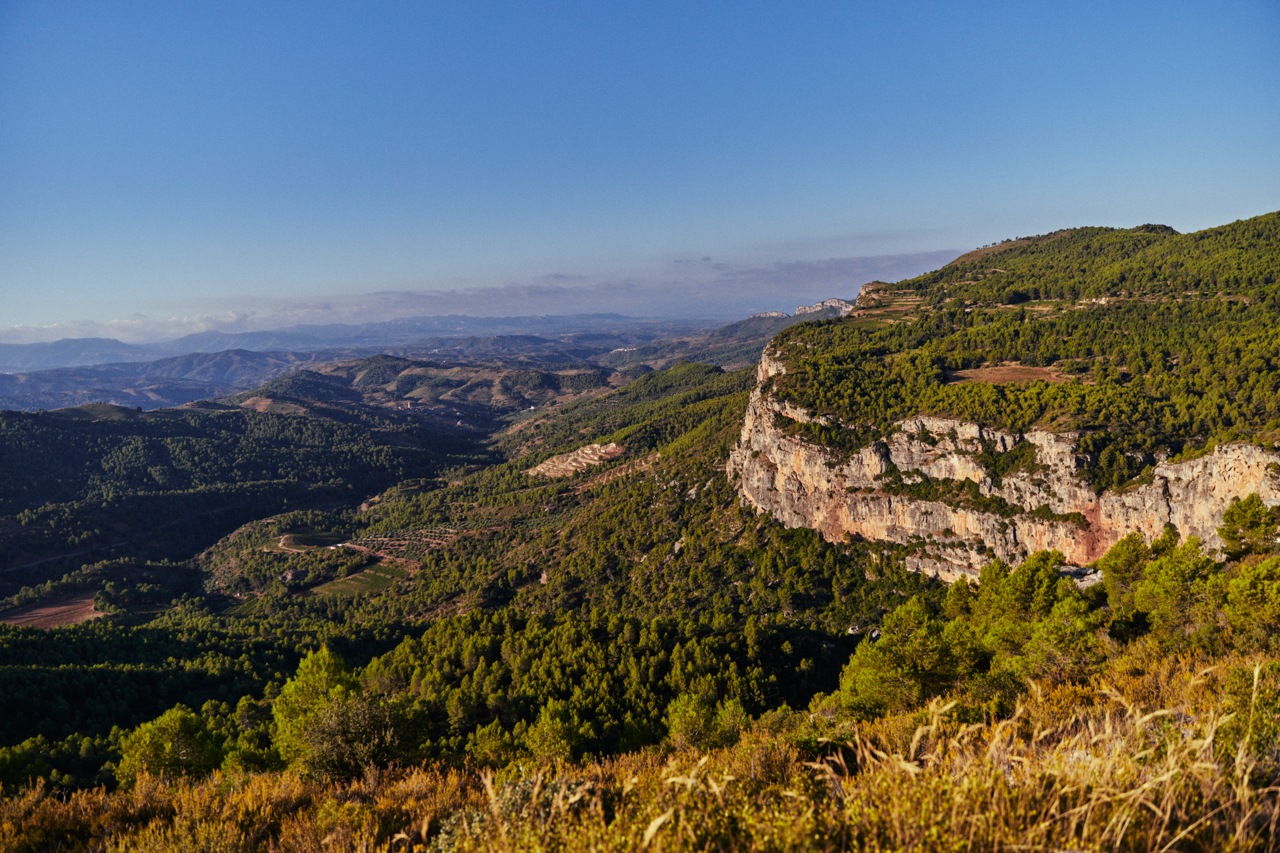
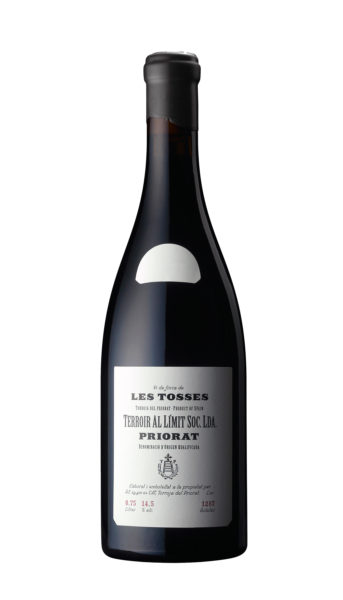
Les Tosses offers an entirely different but equally profound experience. Sourced from a dramatically steep, high-altitude vineyard of ancient Carinyena planted on pure slate in Torroja, it is one of the most powerful and age-worthy wines produced in Priorat. Its profile is defined by black fruit, graphite, balsamic herbs, and a deep mineral core. Though monumental in structure, the wine never loses its balance or transparency, embodying the intellectual rigor of Huber’s winemaking.
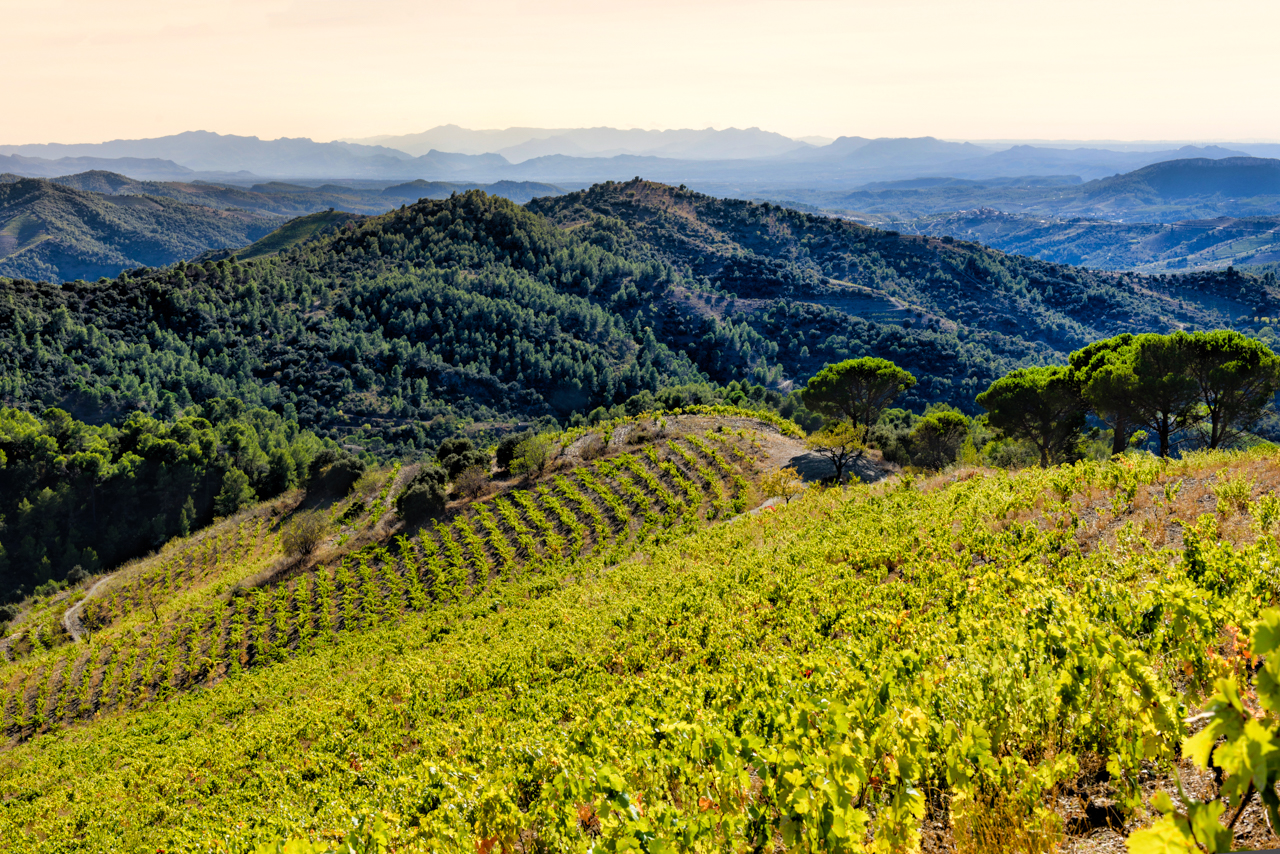
Together, these wines chart a coherent and compelling narrative of Priorat’s past, present, and future. From the historically inspired openness of the Històric wines to the sculpted rigor of Arbossar and the grand, age-defying architecture of Les Tosses, Terroir al Límit demonstrates the extraordinary range and nuance possible in this rugged Catalan landscape. More importantly, they reveal a vision of Mediterranean wine built not on extraction and oak, but on restraint, purity, and an unwavering belief in the eloquence of terroir.
Close
Tatjana Peceric. Projecte Terroir Sense Fronteres, DO Montsant. Celler Terroir al Límit. Capçanes, Priorat, Tarragona
Tatjana Peceric. Projecte Terroir Sense Fronteres, DO Montsant. Celler Terroir al Límit. Capçanes, Priorat, Tarragona
Tatjana Peceric. Projecte Terroir Sense Fronteres, DO Montsant. Celler Terroir al Límit. Capçanes, Priorat, Tarragona
Tatjana Peceric. Projecte Terroir Sense Fronteres, DO Montsant. Celler Terroir al Límit. Capçanes, Priorat, Tarragona
Tatjana Peceric. Projecte Terroir Sense Fronteres, DO Montsant. Celler Terroir al Límit. Capçanes, Priorat, Tarragona
Tatjana Peceric. Projecte Terroir Sense Fronteres, DO Montsant. Celler Terroir al Límit. Capçanes, Priorat, Tarragona